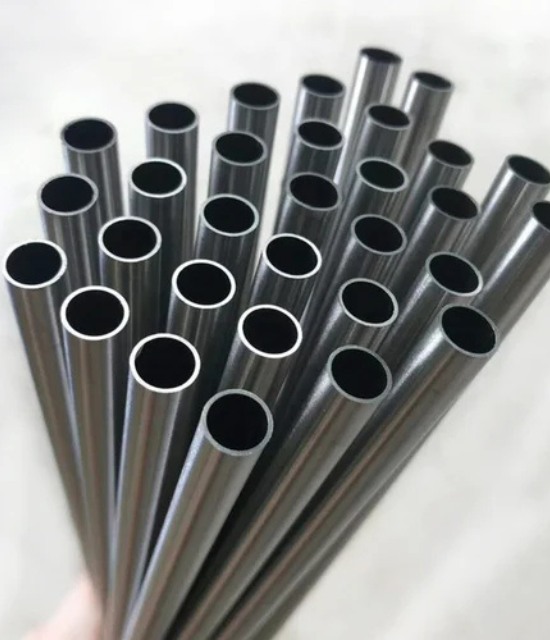
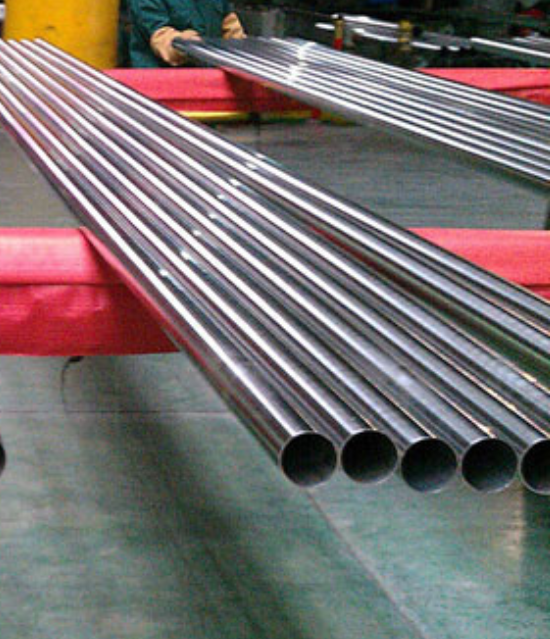
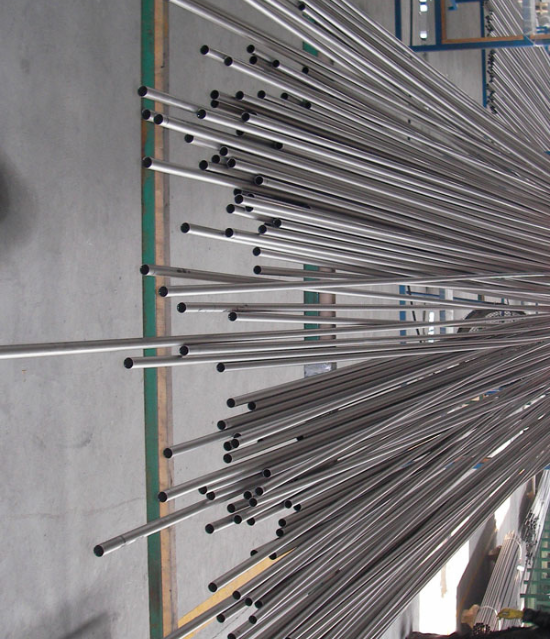
Inconel Alloy 600 & 625 Pipes and Tubes


Inconel Alloy 600 and 625 are high-performance nickel-chromium alloys known for their exceptional resistance to oxidation and corrosion at elevated temperatures. These alloys are ideal for applications in chemical processing, aerospace, and power generation industries.

Grades Available:
- Inconel 600 (UNS N06600)
- Inconel 625 (UNS N06625)
Standards: ASTM B167, B163, B516, B517, B704, B705
Sizes: Seamless and Welded Tubes/Pipes
Outer Diameter: 6.35 mm to 254 mm
Wall Thickness: 0.5 mm to 20 mm
Lengths: Single Random, Double Random, and Cut Lengths

  • Description
  • Additional Information
  • Applications

Inconel 600 is a nickel-chromium alloy that offers excellent oxidation and corrosion resistance at higher temperatures. It is widely used in applications such as heat exchangers, furnace components, and gas turbines.

Inconel 625, on the other hand, is a nickel-chromium-molybdenum alloy that provides outstanding fatigue and thermal-fatigue strength, excellent weldability, and resistance to oxidation and corrosion. It is commonly used in aerospace, marine, and chemical processing applications.

  • High resistance to oxidation and corrosion

  • Excellent weldability and fabricability

  • Suitable for high-temperature applications

  • Available in various sizes and forms

These alloys are ideal for applications that require materials to withstand extreme environments, such as chemical processing plants, power generation facilities, and aerospace components.

Material: Nickel-Chromium Alloys
Grades: Inconel 600 (UNS N06600), Inconel 625 (UNS N06625)
Standards: ASTM B167, B163, B516, B517, B704, B705
Size Range: 6.35 mm to 254 mm OD, 0.5 mm to 20 mm wall thickness
Length Options: Single Random, Double Random, Cut Lengths
Forms Available: Seamless Tubes/Pipes, Welded Tubes/Pipes
Finishes: Mill Finish, Polished, Pickled, Passivated

  • Heat exchangers and furnace components

  • Gas turbines and jet engines

  • Chemical processing equipment

  • Marine and offshore applications

  • Nuclear reactors and power plants

Go Back Top